
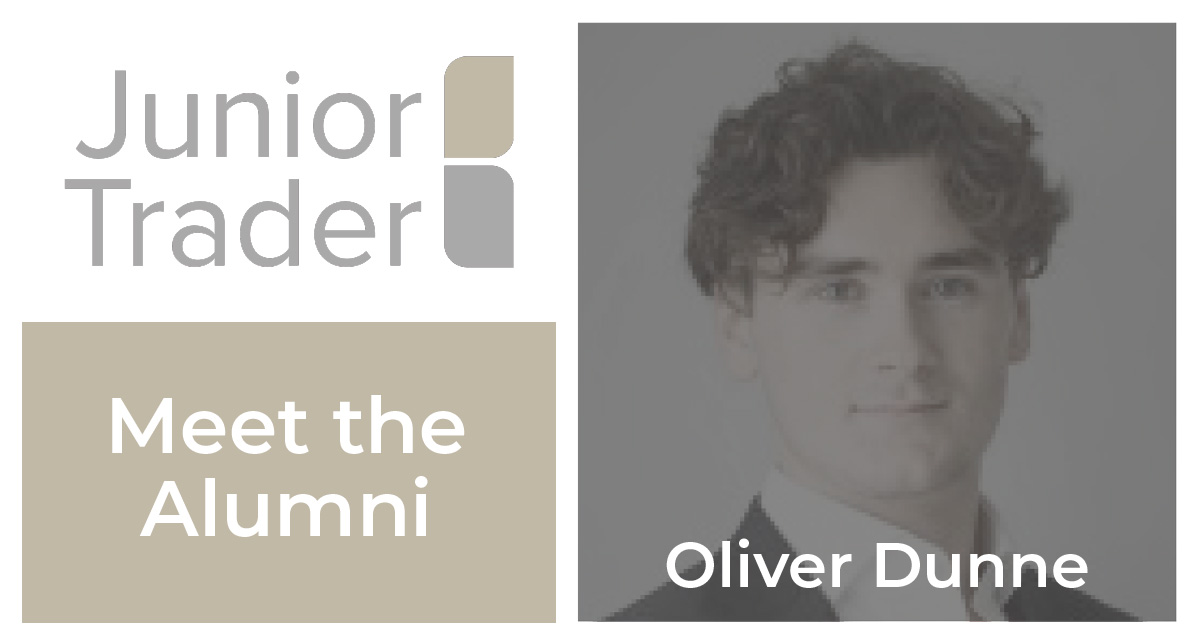
If I could buy shares in somebody’s career, Oliver is someone I would seriously consider investing in.
He combines speed of analytical thought with sound professional judgement and a calm, assured way of building trust. It’s the kind of profile that suggests long-term consistency rather than short-term noise, and it’s why his trajectory already stands out.
Oliver oozes professionalism, balanced with clear and healthy ambition. That polish is not manufactured. He comes from a hard-working family, and during his gap year, he focused deliberately on developing practical business skills rather than treating it as a year off. While privately tutoring, he found himself naturally networking with parents of his pupils, relationships that would later help open doors into finance and lead, predictably, to early internship offers.
One moment he recalls vividly, is spending a day at an oil conference during a placement, shaking hands with the CEOs in near disbelief. I remember that feeling the first time I went to a company presentation for City analysts. What stands out is not the access itself, but how naturally he fitted into the environment. When we discuss the state of the graduate job market, it becomes clear that Oliver has already been spotted early and eased into opportunities not through shortcuts, but because of his consistency, work ethic, and judgment. His approach has been industrious and deliberate, but he has also been quick to act when suitable roles presented themselves.
As the interview unfolds, Oliver’s understanding of the recruitment process becomes clearer. His life experience is suddenly of relevance – responsibility, work, and exposure to professional settings coming at an early stage. It takes a while to surface, partly because he is so easy to talk to, but that ease is itself a function of maturity rather than charm. Beneath that surface, he drops into conversation an assurance that he knows and respects core competences. This applies to the competences he knows, and the ones he knows he does not yet know. I tested him carefully and deliberately on this point.
Junior Trader has played a practical role in his development. Oliver says he has used JT to frame many of the assessment centre interviews he has been through, and we both recall a comment I made about the quality of his investment report, not the trading outcome. That ability to translate learning into applied performance has clearly stayed with him.
By the conclusion of our conversation, what stands out most is Oliver’s understanding of fundamentals. He is clear on the difference between core investment competence and execution, and critically, on the distinction between investing and trading. He shares a private story that reinforces why safety, discipline, and judgment matter, a reminder that the lessons JT is built around are not theoretical.
An employer could deploy Oliver equally effectively as a new business developer or as a trusted team member. In either capacity, he brings analytical clarity, professional maturity, and interpersonal skills to add value quickly and sustainably. Given his proven networking ability, he goes on my Buy list.